

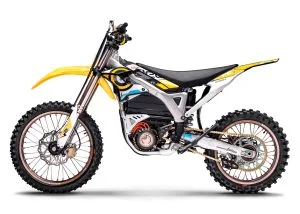
When riding off-road, a motorcycle’s handling can change dramatically depending on how its weight is distributed. An Electric dirt bike needs to remain stable while moving across rocks, loose soil, steep climbs, and uneven trails. Although power and suspension often receive the most attention, weight and balance are equally important to how confidently a rider can control the motorcycle.
A well-balanced bike can feel predictable when turning, braking, accelerating, or moving over obstacles. Understanding these characteristics can help riders appreciate why two motorcycles with similar specifications may feel completely different on the trail.
Why Weight Distribution Matters
The total weight of a motorcycle is only part of the handling equation. Where that weight sits can have an even greater effect on the riding experience.
Components such as the battery, motor, wheels, suspension, and frame all contribute to the motorcycle’s overall balance. Their positions influence how easily the bike changes direction and how it responds when the rider shifts their body.
A motorcycle with a balanced layout can feel easier to manage during slow technical sections. If too much weight is concentrated in one area, the bike may require more effort to reposition, particularly when navigating tight turns or obstacles.
Low-Speed Trail Control
Slow technical riding provides a clear example of why balance matters. Riders may need to move carefully between rocks, roots, and narrow sections while maintaining control at relatively low speeds.
A manageable weight distribution allows the motorcycle to respond more naturally to small steering inputs. It also makes it easier for the rider to shift body position when approaching an obstacle. This does not mean a lighter motorcycle will automatically handle better. Frame geometry, suspension setup, wheel size, and rider technique all contribute to the final result.
Handling During Acceleration
Acceleration can change how a motorcycle feels because weight transfers toward the rear wheel. On an electric motorcycle, immediate motor response can make this effect particularly noticeable.
When the rider applies throttle, the front end may become lighter while the rear tire receives greater loading. Maintaining a controlled body position helps keep the motorcycle stable and allows the rider to use available traction more effectively.
Smooth throttle control is important on loose terrain. Sudden inputs can disturb the bike’s balance and cause unnecessary wheel spin.
Cornering on Uneven Trails
Cornering off-road is different from turning on smooth pavement. The surface may contain loose stones, ruts, mud, or changing levels of grip.
A balanced motorcycle gives the rider a more predictable response when leaning and steering through these conditions. Body positioning also becomes important because the rider’s own weight is a significant part of the total system.
Moving the body forward or backward can influence traction and stability. Experienced riders naturally make these adjustments as terrain changes, while newer riders can develop the skill through controlled practice.
How Suspension Works With Balance
Weight distribution cannot be considered separately from suspension. The suspension system must manage the loads created as the motorcycle accelerates, brakes, lands from obstacles, and travels over uneven ground.
If suspension settings are unsuitable for the rider or terrain, a well-balanced motorcycle can still feel difficult to control. Excessive compression or rebound can affect how quickly the wheels respond to changes in the trail.
Regular suspension inspection and appropriate setup therefore complement good weight distribution.
Rider Position Makes a Difference
The rider is not a passive passenger. Body position continuously changes the motorcycle’s balance.
Standing on the footpegs generally allows riders to move their weight more easily and absorb trail movements with their legs. Moving slightly forward can help maintain front-wheel control, while shifting rearward can increase stability on certain descents or rough sections.
These movements become especially important on technical trails where the motorcycle’s direction and traction can change quickly.
Understanding Different Electric Platforms
The effect of weight and balance can vary between electric motorcycle designs. Models in the Surron category, for example, are built around electric powertrains and battery systems that influence the overall layout of the motorcycle.
Rather than judging a bike solely by its listed weight, riders should consider how it feels during actual movement. A short test ride can reveal whether the motorcycle responds naturally to steering, braking, acceleration, and body-position changes.
Conclusion
Weight and balance play a major role in off-road motorcycle handling. They influence low-speed maneuverability, acceleration, cornering, braking, and the rider’s ability to respond to changing terrain.
For this reason, riders should look beyond horsepower figures when evaluating an electric dirt bike. A motorcycle that feels balanced and predictable can make technical riding more manageable and enjoyable. Combined with suitable suspension settings and good riding technique, effective weight distribution provides a strong foundation for confident trail control.